How did the Royal Canadian Legion Come About?
Taken from Legion.ca/ourstory
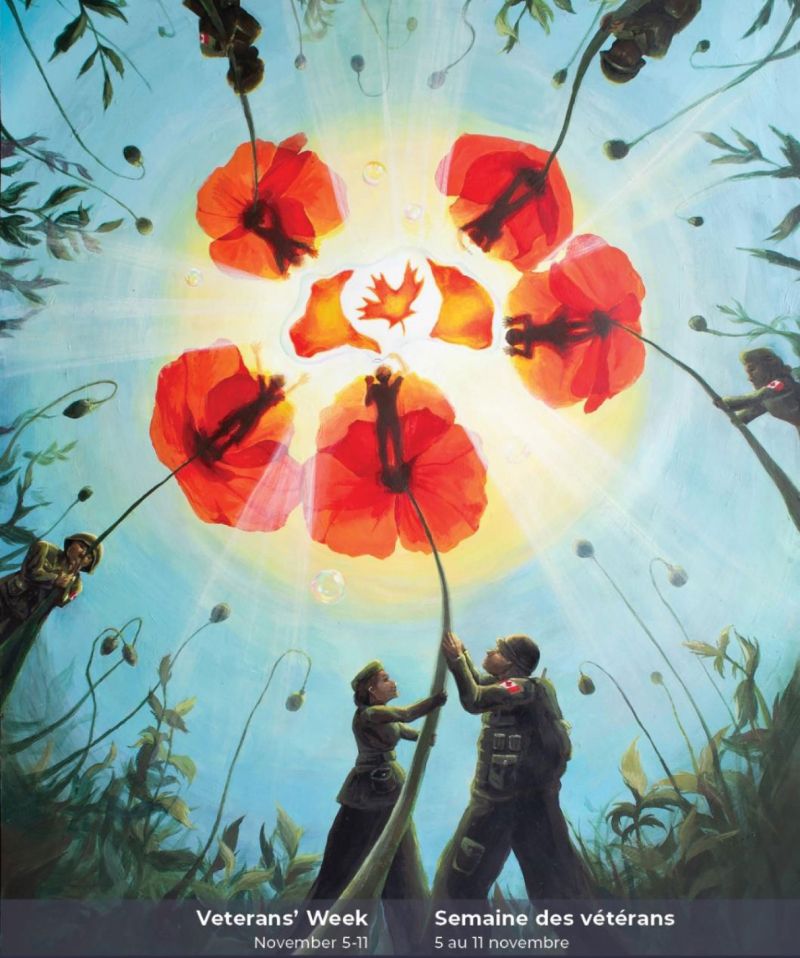
In World War I, over 650,000 Canadians, mostly men (out of a population of about 4 million people), served in the war, many of them distinguishing themselves in key battles, Ypres, Vimy Ridge, and Passchendaele. Of those, about 66,000 died during the war.
Wounded and disabled veterans began arriving back home in 1915, many with lost limbs, debilitating wounds, and shell shock (which we now call Post Traumatic Stress Disorder – PTSD). Somewhere between 117,000 and 137,000 men were discharged from the military as medically unfit during the war, yet there was no comprehensive plan to care for them.
Veterans formed their own associations at the time, including the “Amputation Association of the Great War” and the “Tuberculous Veterans’ Association”. The largest association was the Great War Veterans’ Association (GWVA), which would play a central role in uniting Veterans and advocating for their rights. These early efforts sowed the seeds of what would become The Royal Canadian Legion.
The first “Armistice Day” took place on November 11, 1919. Local ex-servicemens’ associations held commemorations in towns and cities from coast to coast, often involving parades, speeches, and the laying of wreaths.
In 1921, Field Marshal Earl Haig, founder of the British Legion and commander of the British Expeditionary Force during the First World War, urged Canadian Veterans to unite under one national organisation.
Inspired by John McCrae’s poem “In Flanders Fields,” Anna Guerin of France, proposed distributing artificial Poppies in Canada to raise funds for Veterans in need. The Great War Veterans’ Association adopted the idea on July 6, 1921, and that autumn, Canadians participated in the first Poppy Campaign.
In June 1925, Field Marshal Earl Haig came back to Canada and attended the national convention of the Great War Veterans’ Association in Ottawa, where he spoke to more than 3,000 ex-servicemen about the power of unity. His address emphasised that Canadian Veterans could best secure their welfare by combining their voices under a single national organisation.
That same year, Victoria Cross recipient Richard Turner, acting for Haig, helped set the stage for a national unity conference of WWI veterans who were represented by different organisations, at the time.
A National Unity Conference took place later that year in Winnipeg, on November 25, and at that conference, ten national veteran groups and dozens of societies came together to form the “Canadian Legion of the British Empire Service League”, creating a single national voice to advocate for veterans, honour the fallen, and strengthen communities.
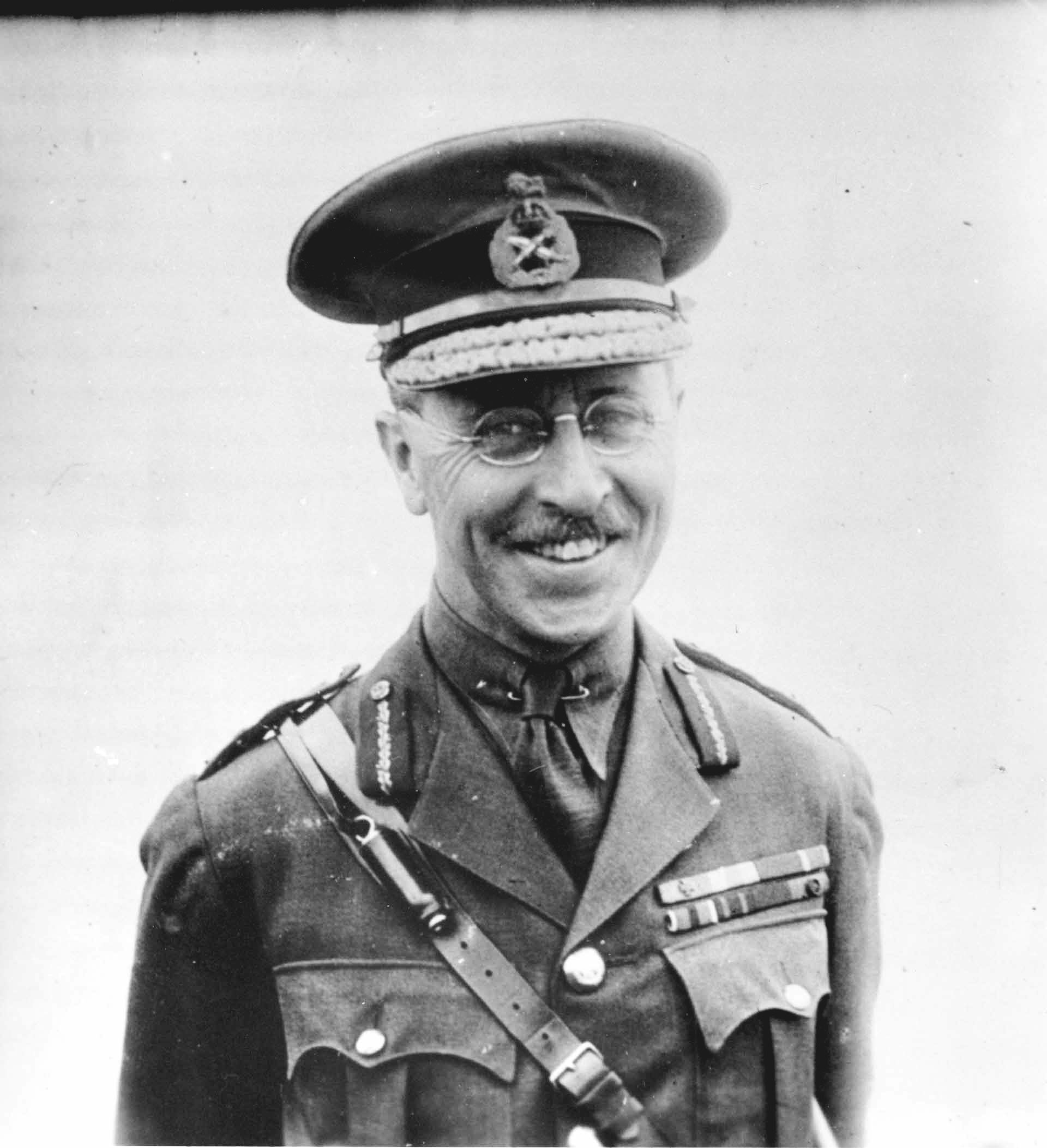
Percy Lake was chosen as the first national president, with Richard Turner and General Arthur Currie serving as honorary presidents. Currie, who had led Canadian troops to key victories during the Great War, later served as Legion National President (1928) and Grand President (1929–1933). In early 1926, Turner and Lake travelled the country to encourage membership in the new Canadian Legion, successfully creating Provincial Commands and uniting the national Veteran community.
The Canadian Legion of the British Empire Services League was formally incorporated by a Special Act of Parliament on July 17, 1926—now celebrated as the Legion’s official anniversary. Incorporation gave the Legion a permanent foundation to expand Veteran support programs, lead Remembrance initiatives, establish branches nationwide, advocate for Veterans’ rights, and coordinate national efforts like the Poppy campaign.
In its early years, the Legion advocated to the federal government for better health care for Veterans, an important cause, especially since this was long before Medicare was established in Canada. The Legion’s sustained efforts directly influenced federal policy and laid the groundwork for the creation of Veterans Affairs Canada in 1944, which later unified health care, benefits, and support for Veterans under one department.
In 1931, the first official “National Day of Remembrance” was declared, on November 11. It was known as Armistice Day at the time, and that same year the Canadian Legion was officially given the role of running the Poppy campaign and distributing the proceeds to Veterans in need. An Act of Parliament in 1948 granted the Legion trademark protection for the Poppy, safeguarding it as a symbol of Remembrance and ensuring its respectful use for generations to come.
The Legion grew and played a major role throughout the depression of the 1930s, and WWII in the 1940s. Along the way, branches were established in large and small towns across the country, and the division and zone structure that governs the organisation became well established.
In the 1950s, the Legion branches began to become more of a community resource than they had been. They grew into pillars of their communities, supporting Veterans and their families while contributing to a wide range of local initiatives. This evolution saw branches deepen their impact through youth programs, education, housing, scholarships, and social services—reinforcing the Legion’s role as both a living memorial and a nation builder.
In 1959, the “Canadian Legion of the British Empire Service League” shortened its name to the Canadian Legion, and late in 1960, Queen Elizabeth granted royal patronage, authorising the use of the prefix “Royal” before “Canadian Legion”.
Through ups and downs over the past 66 years, the Royal Canadian Legion has continued to be a central force in the national observance of Remembrance Day, a steadfast support system for Veterans, and a community resource.
In rural communities, Legion branches often play a central role in the life of their local communities. ■