Monarch Blitz
For the last ten years, Mission Monarch, which operates under the umbrella of the Commission for Environmental Co-operation, is a 10 day long citizen science event across North America, aimed at determining the state of the population of monarch butterflies.
Because monarch butterflies travel between Mexico, the United States and Canada, they are a good fit for the international commission.
The monarch blitz is an opportunity for thousands of people to take stock of the milkweed on their property and in their community, and determine if there are signs of monarch butterflies, eggs, caterpillars, chrysalids, or monarchs on the milkweed.
Milkweed is the only plant that Monarchs lay eggs on, and that Monarch caterpillars feed on.
“The monarch is probably the most recognisable butterfly across North America, but most people don’t recognise the threats they face from habitat loss,” said James Pagé, a biodiversity specialist with the Canadian Wildlife Federation, to the CTV News.
“The International Monarch Monitoring Blitz is an opportunity for people of all ages to help protect them from extinction by collecting valuable information on monarchs and the milkweed they rely on.”
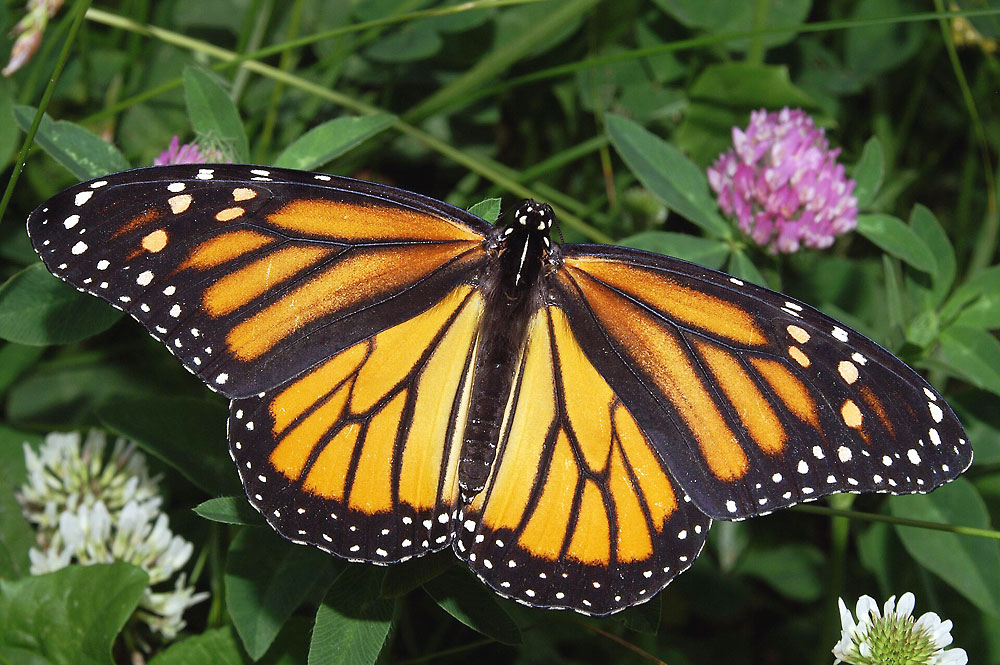
Monarchs always lay their eggs on milkweed, which is the only plant that monarch caterpillars can eat.
This makes milkweed, which is an easy plant to identify, the focus of the monarch blitz.
Participants in the blitz, which can be accessed through Inaturalist or Mission-monarch.org are first asked to identify milkweed in their community, and to look carefully at the milkweed they find, to see if there are eggs on the leaves, caterpillars feeding on the plant, and to take photographs to submit.
Organisers are hoping that the blitz will attract more participants this year. There were 9,000 last year and the hope is that the number will jump to 19,000.
Registration is easy and photos are submitted to the site.
“Given the disturbing decline in North American monarch populations, Canada has committed to protecting these butterflies’ summer breeding grounds, as a way of maximising their reproductive success. However, there is not enough scientific knowledge available to come up with an effective conservation plan. In order to protect monarch habitats, we have to know where to find them. In other words, we need monarch-breeding data across the butterfly’s range. That’s where Mission Monarch fits in,” says the Mission-Monarch website about the blitz.
“Anyone, with a scientific background or not, can share their observations and thus contribute to data collection. Using all milkweed and monarch records, researchers will be able to map where monarch breeding occurs, identify breeding hotspots, and inform conservation experts,” the site goes on to say.
The eggs, which are encased in a small, shiny white sac, are glued to the underside of milkweed leaves. Once the caterpillars hatch, their only job is to eat milkweed. They continue to grow out of their skin, and molt several times during their 7-17 day feeding period. The caterpillars leave the milkweed to find a well camouflaged spot to pupate. After 8-15 days, the adult butterfly emerges.
The butterflies then feed on nectar from many different plants, mate and lay hundreds of eggs on milkweed for the cycle to start over again. Adult monarchs live for a few weeks.
The exception to that is the monarch's that are born in September. They are the travel monarchs who can live up to eight months as they migrate to Mexico.
To participate in the project, go to Mission-Monarch.org to register.